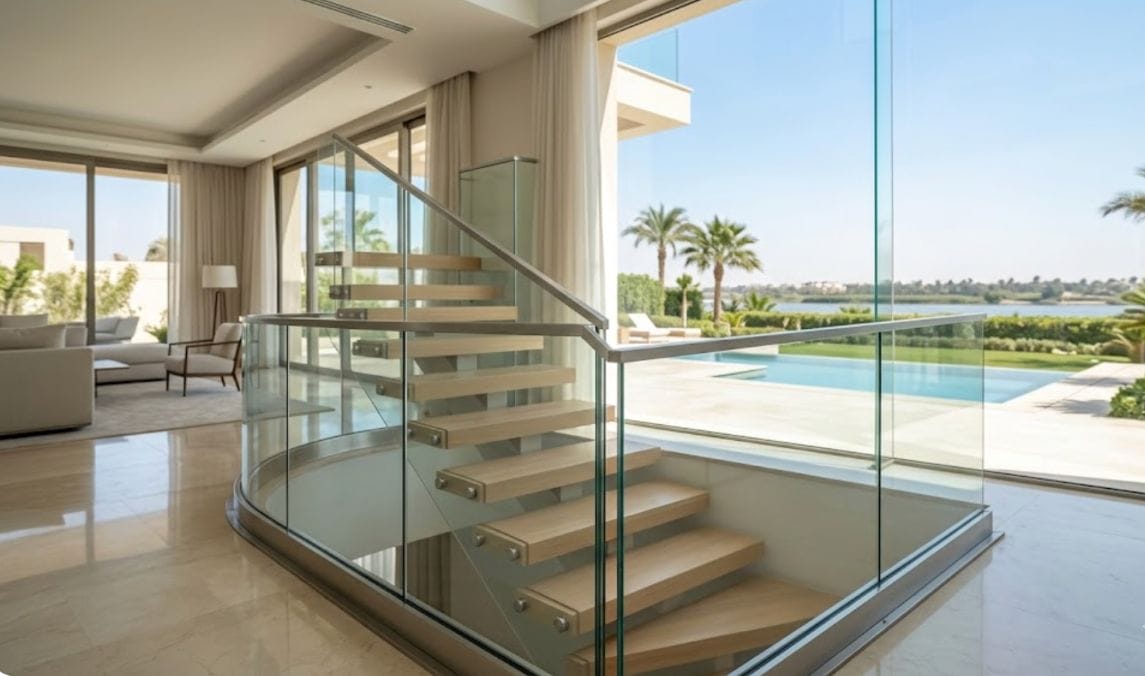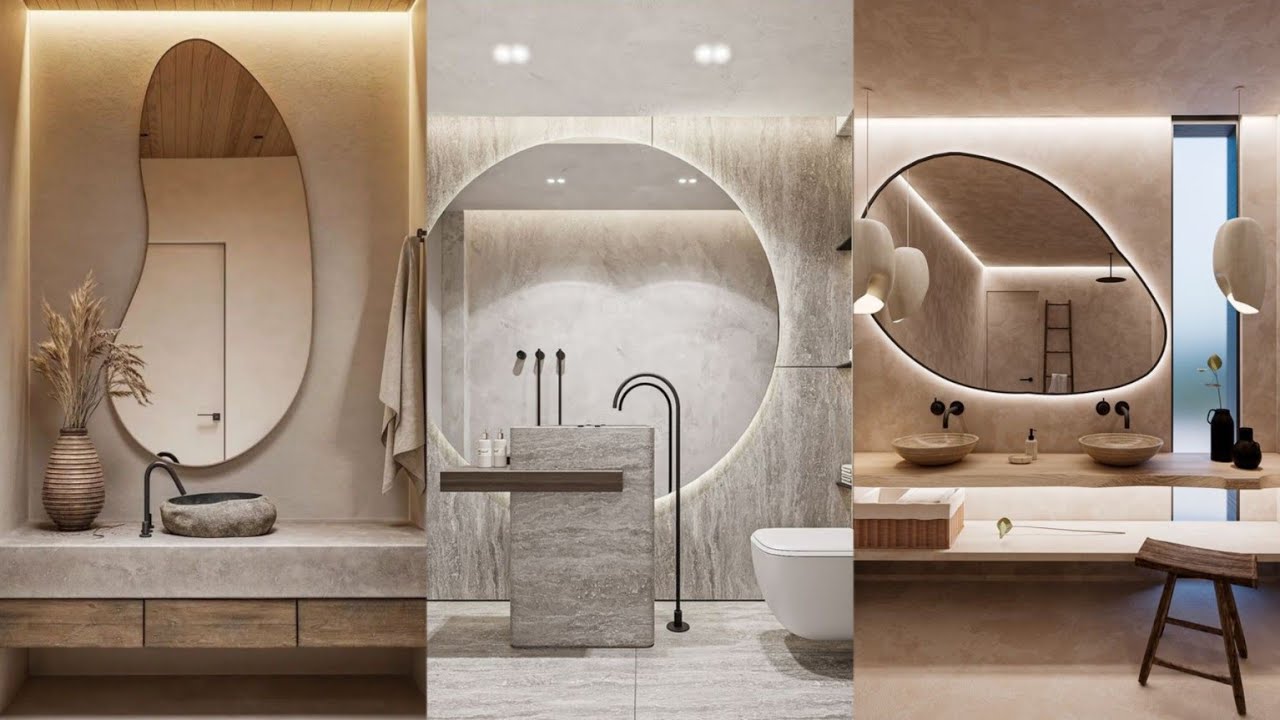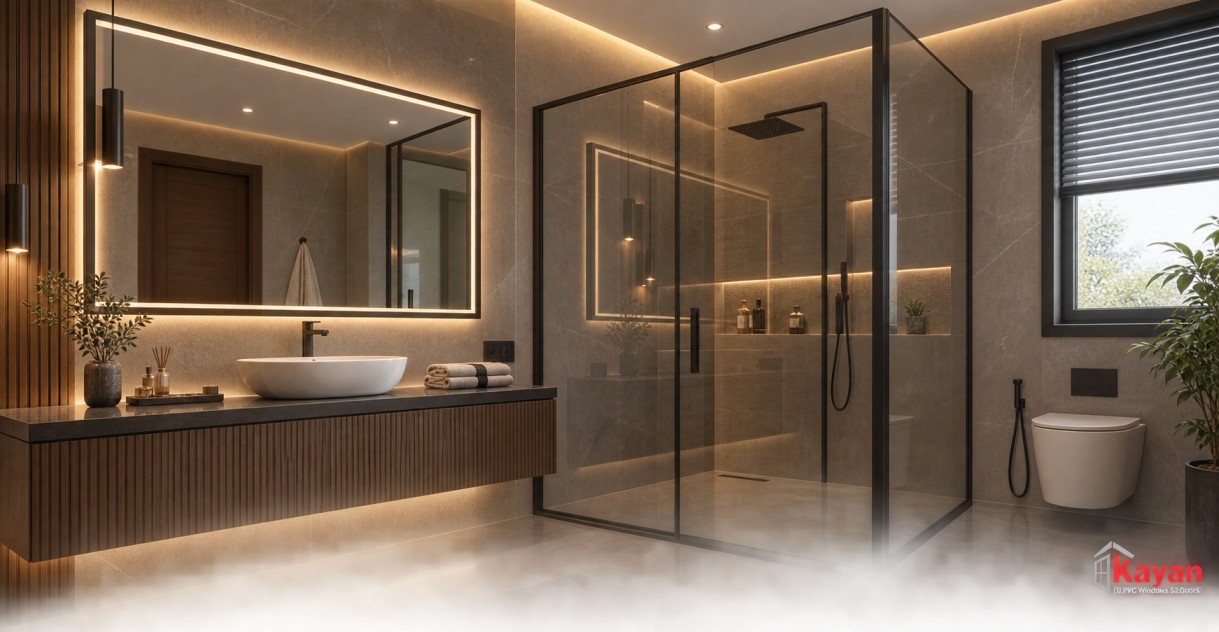
Choosing the right type of glass should not be based on appearance or color alone. Different applications require different glass characteristics depending on safety, insulation, sunlight exposure, privacy, acoustic performance, and overall project requirements.
The glass suitable for a residential window may not be the same solution required for a large door, facade, or application where higher thermal or acoustic performance is needed.
This guide explains the main factors that should be considered when comparing glass options and connecting each specification with its intended application.
Why Is There No Single Glass Type for Every Application?
Glass is used under very different conditions. An external window is exposed to different factors than an interior application, while a moving glass door has different requirements from a fixed glass panel.
The size of the glass, its installation method, location, and surrounding system can all affect the specifications required for a particular application.
For this reason, glass should be considered as part of a complete system rather than simply as a transparent material selected according to appearance.
What Should You Determine Before Choosing Glass?
The first step is to define the actual function of the glass.
Does the application require high safety? Is thermal insulation important? Is noise reduction a priority? Will the glass receive direct sunlight for long periods? Is light control required?
Answering these questions helps identify the properties that matter most and makes it easier to compare different glass options.
Choosing Glass Based on Safety Requirements
Safety can be one of the most important factors in applications where glass is exposed to frequent use or located in areas with regular human movement.
Safety-oriented glass options may include tempered glass and laminated glass, depending on the application and required specifications.
However, selecting a safety glass type should not be based on the product name alone. Dimensions, installation method, and the complete system also need to be considered.
Tempered Glass
Tempered glass, also known as toughened glass, is heat-treated to modify certain properties compared with ordinary glass and is widely used in applications where appropriate safety characteristics are required.
It can be used in various applications, but suitability depends on the dimensions, installation method, and requirements of the project.
Laminated Glass
Laminated glass consists of glass layers bonded with an intermediate layer. It can be used in applications where additional safety characteristics or retention of glass fragments after breakage are required.
The appropriate laminated configuration depends on the application, dimensions, and project requirements.
How Do You Choose Glass When Thermal Performance Matters?
When windows or facades are exposed to sunlight or when controlling heat transfer is important, the thermal performance of the glass becomes an important consideration.
Performance does not depend only on glass thickness. It can also be influenced by the number of glass layers, the space between them, coatings or treatments, the frame, and the construction of the glazing unit.
Therefore, when comparing different solutions, it is better to evaluate the complete glazing specification rather than focusing only on the thickness of a single glass pane.
When Is Double Glazing a Suitable Option?
Double glazing consists of two glass panes separated by a space within a designed insulating glass unit.
It can be considered for windows and facades where thermal or acoustic performance is an important project requirement.
However, simply having two panes does not mean that every double-glazed unit will provide the same performance. The final characteristics depend on the glass specifications, spacing, and manufacturing configuration.
How Do You Choose Glass for Noise Reduction?
In buildings located near busy roads, commercial areas, or other sources of noise, acoustic performance can become an important factor.
In such situations, choosing a thicker glass pane at random is not necessarily the correct approach. Acoustic performance depends on the complete glazing configuration and the system in which it is installed.
Different combinations can be considered, including double glazing or laminated configurations with suitable intermediate layers, depending on the required performance.
The frame, seals, and installation details should also be considered because the glass alone does not determine the performance of the complete window or facade.
How Do You Choose Glass for Sunlight Control?
Not every space requires the same amount of natural light. Some areas benefit from maximum daylight, while others may require better control of direct sunlight.
Different coated or treated glass options can be considered to balance daylight transmission with solar and thermal requirements.
The choice should take into account the building orientation, location, facade design, and intended use of the interior space rather than color alone.
Does Glass Color Determine Its Performance?
Glass color can influence appearance and light transmission, but it is not the only factor that determines glass performance.
Two products may have similar visual colors while having different technical characteristics because of differences in coatings, treatments, or construction.
When choosing tinted or reflective glass, both appearance and the required technical characteristics should therefore be evaluated.
When Should You Consider Reflective or Coated Glass?
Reflective and coated glass can be considered in applications where exterior appearance, daylight control, or solar performance are important, particularly in some facade designs.
The choice should take into account the building location, facade orientation, architectural design, and the desired level of reflection.
The selected treatment should also be compatible with the glazing system used in the project.
Is Glass Thickness the Most Important Selection Factor?
Glass thickness is important, but it should not be treated as the only criterion.
Two glass products with the same thickness can have different properties and intended applications because of differences in type, treatment, construction, and installation.
The dimensions of the pane and the way it is supported can also affect the appropriate specification.
The better question is therefore: what glass configuration is appropriate for this application?
Single Glazing or Double Glazing?
The choice between single and double glazing should be based on the requirements of the project.
Single glazing may be suitable for applications that do not require higher insulation performance, while double glazing can be considered where thermal or acoustic requirements are more important.
The comparison should include specifications, expected performance, cost, and compatibility with the selected frame and system.
How Do You Choose Glass for External Windows?
External windows may require consideration of several factors at the same time, including sunlight exposure, safety, insulation, opening size, and the surrounding environment.
For this reason, the appropriate glass specification can vary from one window to another, even within the same building.
A window exposed to direct sunlight for long periods may require different characteristics from a window located on another side of the building.
How Do You Choose Glass for Glass Doors?
Glass doors require specifications that are suitable for movement and frequent use because the glass is part of an operating element rather than a fixed panel.
The door dimensions, opening method, hardware, fixing points, and glass type should therefore be considered together.
The glass should not be selected separately from the system in which the door will be installed.
How Do You Choose Glass for Facades?
Glass facades often require a more comprehensive assessment because of their large areas and exposure to external environmental conditions.
Selection may involve architectural appearance, daylight requirements, thermal performance, solar exposure, and the specifications of the facade system.
The appropriate glazing configuration can vary according to the project location, facade orientation, and required performance.
What About Decorative Glass?
In some applications, the primary objective is to achieve a specific visual effect. Decorative, textured, colored, or specially treated glass can be considered for these projects.
Even when appearance is the main priority, the glass still needs to be suitable for the actual application.
A visually attractive solution may not be appropriate if its technical characteristics do not match the conditions of the space.
How Should You Compare Different Glass Quotes?
When comparing multiple quotations, do not compare the final price alone. Ask for clear details about the glass and glazing unit being offered.
- Glass type.
- Thickness of each pane.
- Single or double glazing.
- Coating or treatment, if applicable.
- Final dimensions.
- Intended application.
- Frame or system used with the glass.
- Hardware and installation method.
- Warranty and execution conditions.
This makes it easier to compare quotations based on actual specifications rather than comparing prices for products that may not be equivalent.
Common Mistakes When Choosing Glass
Several mistakes can lead to an unsuitable glass selection, including:
- Choosing glass based only on color or appearance.
- Assuming that thicker glass is automatically better.
- Comparing prices without comparing specifications.
- Using the same glazing configuration throughout a project without evaluating each application.
- Ignoring facade orientation and solar exposure.
- Selecting glass before defining the frame and installation system.
- Failing to define the required safety level.
- Ignoring thermal or acoustic requirements when they are important to the project.
How Should You Define Glass Specifications Before Requesting a Quote?
A quotation request should be as specific as possible. Instead of simply asking for "glass for windows," provide the application, dimensions, required characteristics, and the system in which the glass will be installed.
The clearer the requirements are, the easier it becomes to compare different options and understand why prices may differ.
If you are unsure about the appropriate glass specification, a specialist can help determine the suitable configuration based on the project requirements.
Why Is Choosing a Specialized Glass Company Important?
Glass selection is only one part of the complete process. Accurate measurement, fabrication, assembly, hardware, and installation can all affect the final result.
A specialized company should therefore understand the relationship between the selected glass, its application, and the system in which it will be installed.
Experience with different glazing systems can also help reduce the risk of selecting specifications that do not match the intended application.
Glass & Mirrors by Kayan Engineering
Kayan Engineering provides glass and mirror solutions for a range of residential and commercial applications, with attention to the requirements of each project before selecting the appropriate specifications.
The selection process considers the intended use, dimensions, design, performance requirements, and compatibility with the installation system.
Instead of applying one glass specification to every application, each use can be evaluated individually to achieve the right balance between functionality, appearance, and execution quality.
Conclusion
Choosing the right type of glass starts with identifying the function the glass needs to perform rather than focusing only on its appearance.
Safety, thermal insulation, acoustic performance, sunlight control, privacy, design, dimensions, and installation method can all influence the final decision.
The most suitable solution is therefore the one that balances the actual application requirements with technical specifications, design expectations, and budget.
If you are unsure which glass specification is appropriate for your project, Kayan Engineering can help you evaluate the application and select a suitable solution.
Frequently Asked Questions
Is tempered glass the best option for every application?
Not necessarily. Tempered glass is used in many applications, but suitability depends on the use, dimensions, installation method, and required specifications.
When should I consider double glazing?
Double glazing can be considered when thermal or acoustic performance is an important requirement, with the final specification selected according to the complete glazing system.
Is thicker glass always better?
No. Thickness is an important factor, but it must be appropriate for the glass type, dimensions, application, and installation method.
How do I choose glass for noise reduction?
The complete glazing configuration should be evaluated. Depending on the project, options may include double glazing or laminated configurations with suitable intermediate layers.
How do I choose glass for windows exposed to direct sunlight?
Consider the window orientation, solar exposure, daylight requirements, and thermal objectives before selecting the appropriate glass characteristics.
Can the same glass type be used throughout an entire project?
It can be suitable in some projects, but different applications may require different specifications based on safety, insulation, light, and usage requirements.
What is the most important thing when comparing glass prices?
Compare the actual specifications, including glass type, thickness, construction, treatment, dimensions, and installation requirements—not price alone.