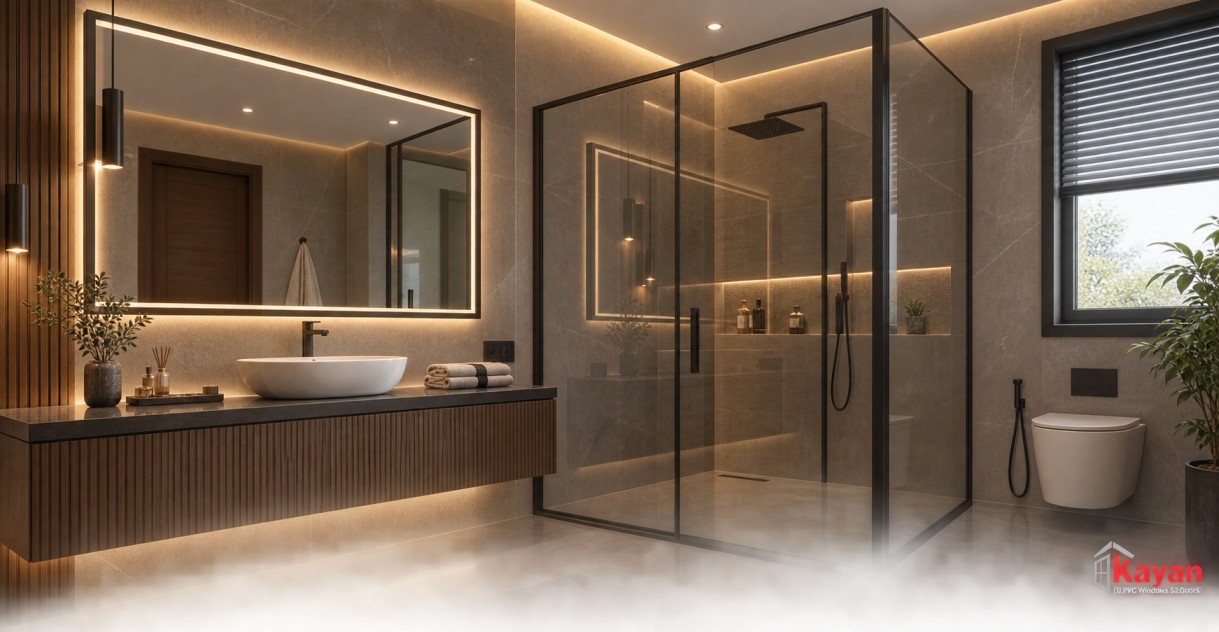
When thinking about renovating a bathroom or installing a glass facade, an important question arises: does the difference between regular and tempered security glass really justify the price gap? The answer lies in understanding what actually happens when a minor accident occurs.
First: What's the Real Difference Between Regular Glass and Security Glass?
Security (tempered) glass is heat-treated to gain several times higher impact resistance compared to regular glass. When broken, it shatters into small, non-sharp pieces instead of sharp fragments that could cause serious injuries, as happens with regular glass.
Second: The Real Difference Shows When an Accident Happens
With regular glass:
- Breaks into sharp shards posing real danger, especially in homes with children.
- Lower resistance to sudden temperature changes.
- Shorter lifespan in high-use areas like shower cabinets.
With tempered security glass:
- Significantly higher safety even when broken.
- Greater resistance to impact and temperature changes.
- Suitable for heavy use in doors, partitions, and shower cabinets.
Third: Not All Mirrors Are Equal
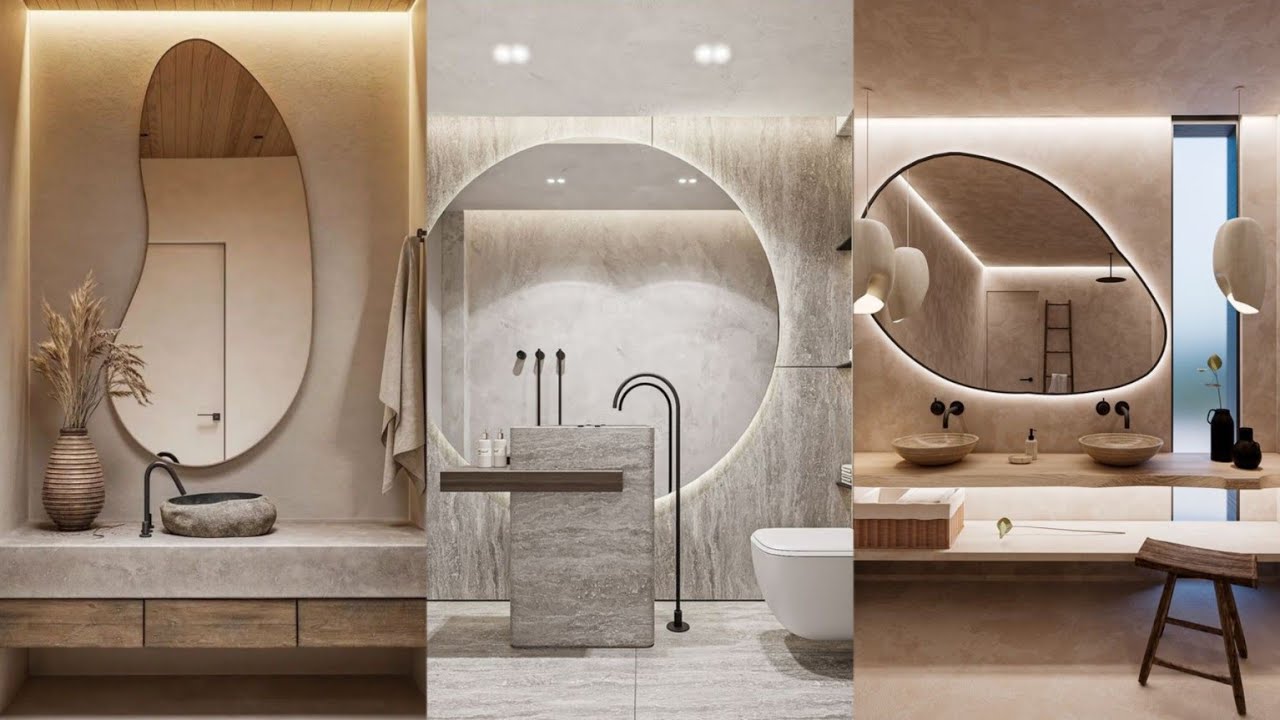
Mirror quality only shows after some time post-installation. Poor-quality mirrors start showing black spots or darkening at the edges within months due to moisture entering behind the reflective layer, while high-quality mirrors maintain their clarity and shine for years, even in high-humidity bathrooms.
Fourth: When Is Tempered Security Glass Essential?
- Shower cabinets and bathroom partitions.
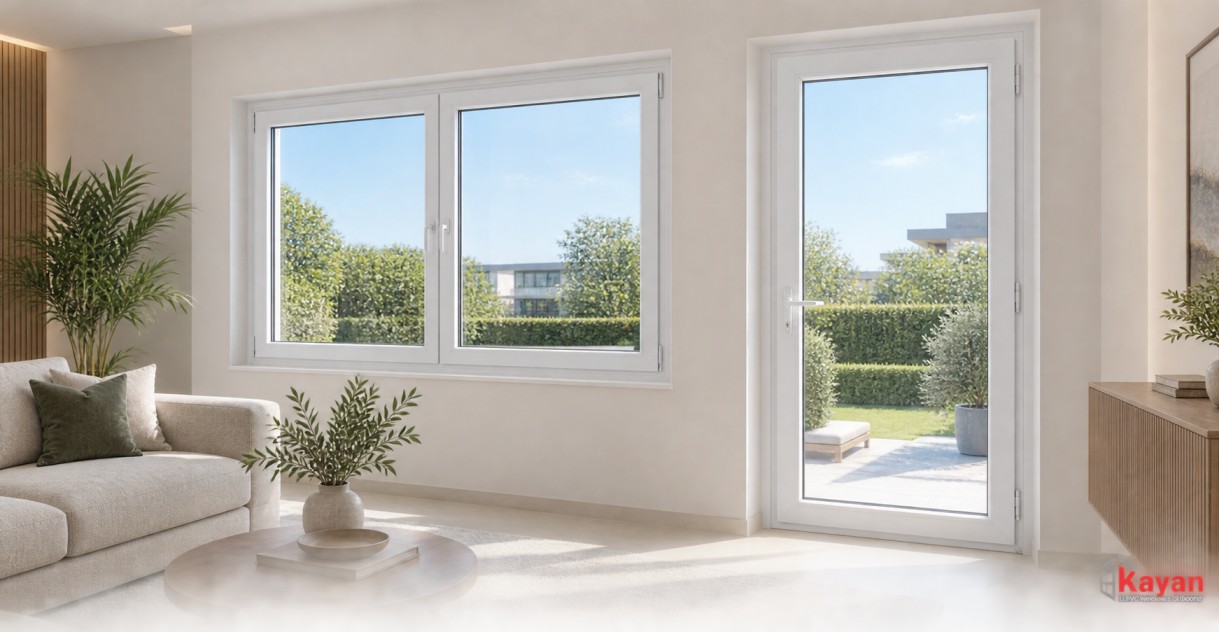
- Glass doors in offices and retail stores.
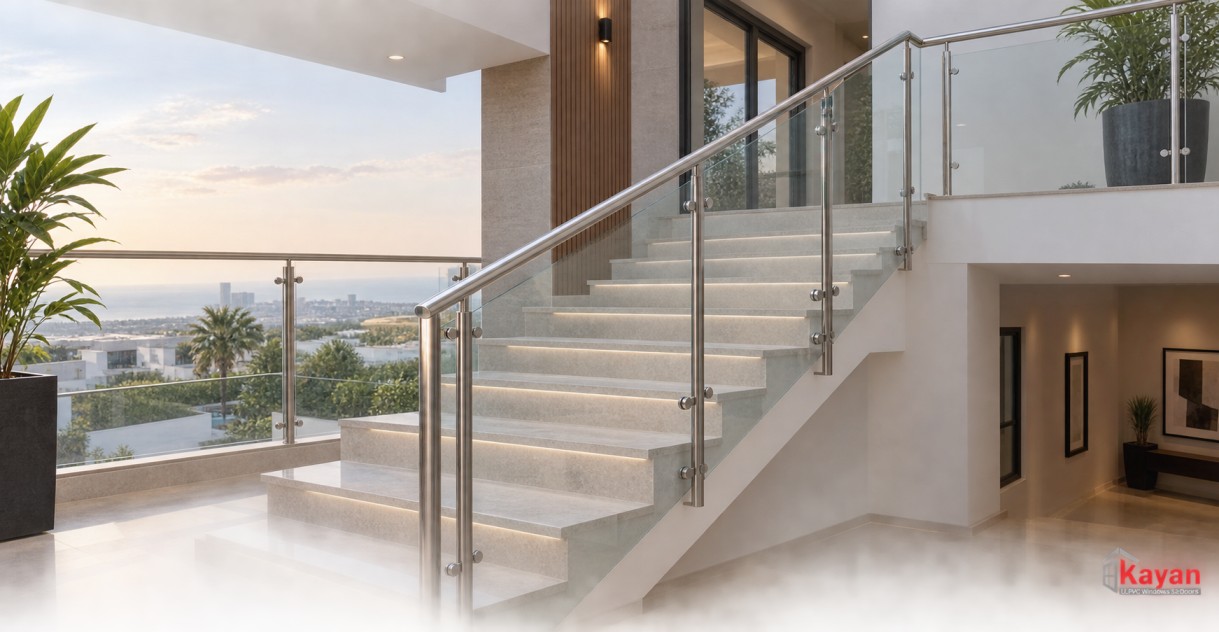
- Glass railings and barriers on staircases and balconies.
- Any place children use daily.
Fifth: When Is Regular Glass Enough?
In some interior uses not exposed to direct impact, such as certain fixed decor pieces, tempered security glass may not be necessary. But anywhere there's a chance of direct human contact, security glass remains the only truly safe choice.
Conclusion: Safety Isn't Measured by a Small Price Difference
The price gap between regular and tempered security glass is often small compared to the scale of risk it protects you from. When considering any glass element at home, the right question isn't "is security glass more expensive?" but "can I afford the risk of the cheaper alternative?"