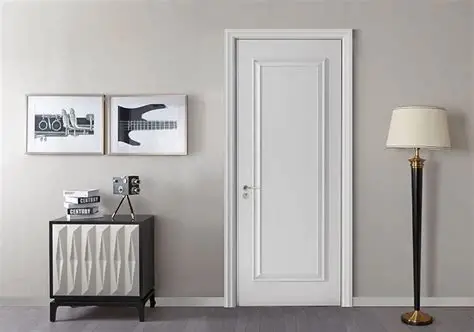
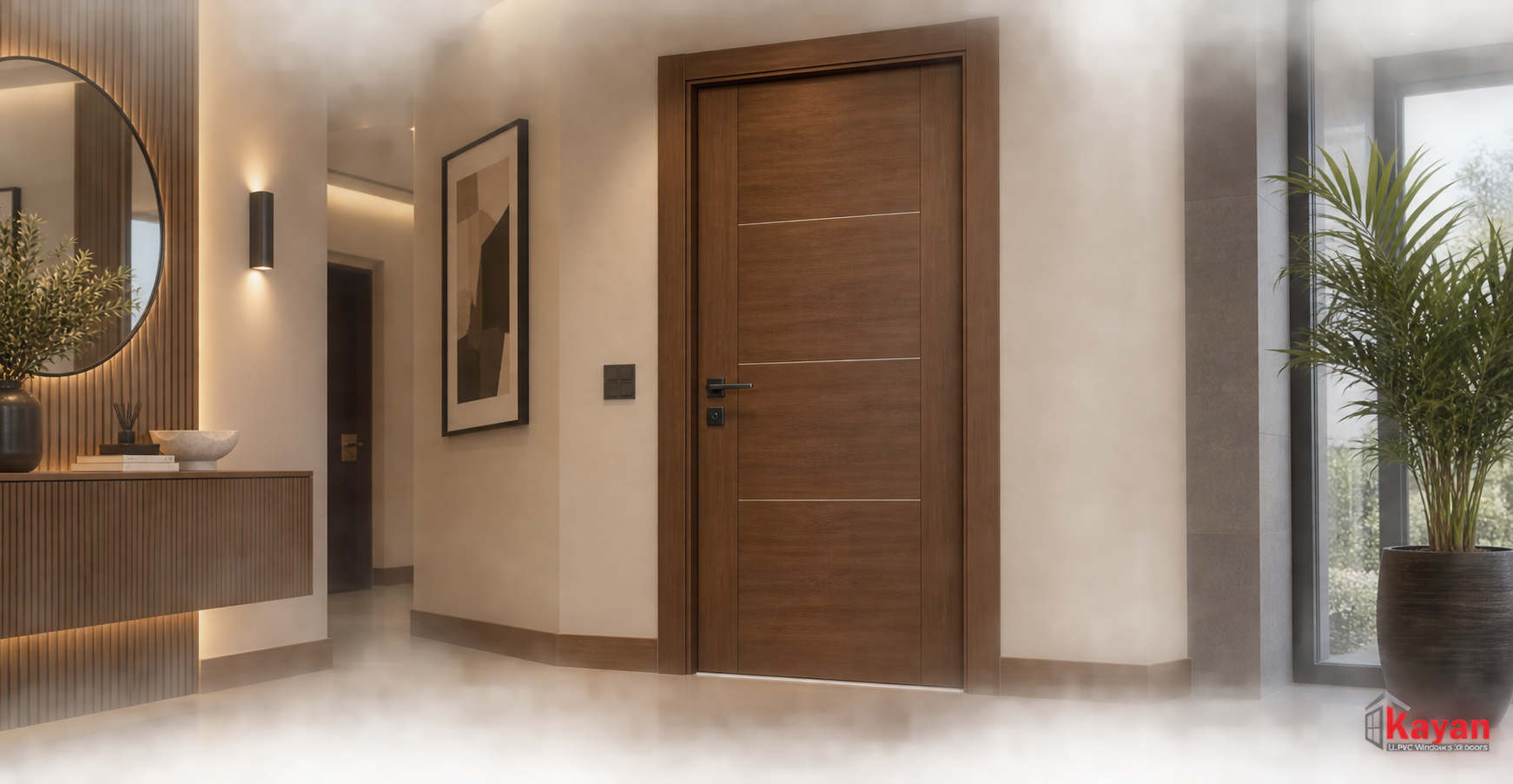
Many homeowners think choosing an interior room door is just a simple aesthetic decision — pick a color and shape and you're done. The truth is, the wrong door can cause annoying daily problems that appear months after moving in.
First: What Are You Actually Buying With an Interior Door?
An interior door isn't just a wooden panel — it's a system that includes:
- Material that withstands repeated daily opening and closing for years.
- Hinges and accessories that determine long-term smoothness of movement.
- A sound insulation level that varies by material thickness and type.
- Precise sizing that fits the available space without costly later adjustments.
Second: The Real Difference Shows After Months of Use
With a poor-quality door or hinges:
- Annoying creaking when opening and closing after a short time.
- Sagging door or difficulty closing properly.
- Clearly hearing sounds from adjacent rooms.
- Peeling or warping of the exterior paint over time.
With a good-quality interior door:
- Smooth, stable movement lasting years without maintenance.
- Comfortable sound insulation, especially in bedrooms and offices.
- Consistent appearance without warping or color change over time.
Third: The Most Common Mistake Homeowners Make
The most common mistake is choosing a door based on looks alone without checking the quality of hinges and internal accessories, even though these are primarily responsible for the door's lifespan. A beautiful door with poor hinges will start showing problems within just a few months.
Fourth: When Do You Need Higher Sound Insulation in an Interior Door?
- Bedrooms near the living room or kitchen.
- Home offices that need focus and quiet.
- Children's rooms with a different sleep schedule than the rest of the family.
Fifth: Practical Tips Before Buying
- Measure the space precisely, including ceiling height and hallway width leading to the door.
- Choose light colors in small rooms to reflect more natural light.
- Personally inspect hinge quality before finalizing any quote.
Conclusion: Small Details Determine Long-Term Comfort
An interior room door is used dozens of times daily, and any small flaw turns into recurring daily annoyance. Investing in good material and hinges from the start saves you maintenance and replacement costs later.