With UPVC systems spreading across Egypt in recent years, many customers ask: do these systems really justify the price difference compared to traditional windows? Or is it just a marketing trend with no real benefit?
The truth is, the answer requires understanding exactly what you're paying for — not just comparing numbers on paper.
First: What Are You Actually Buying With UPVC?
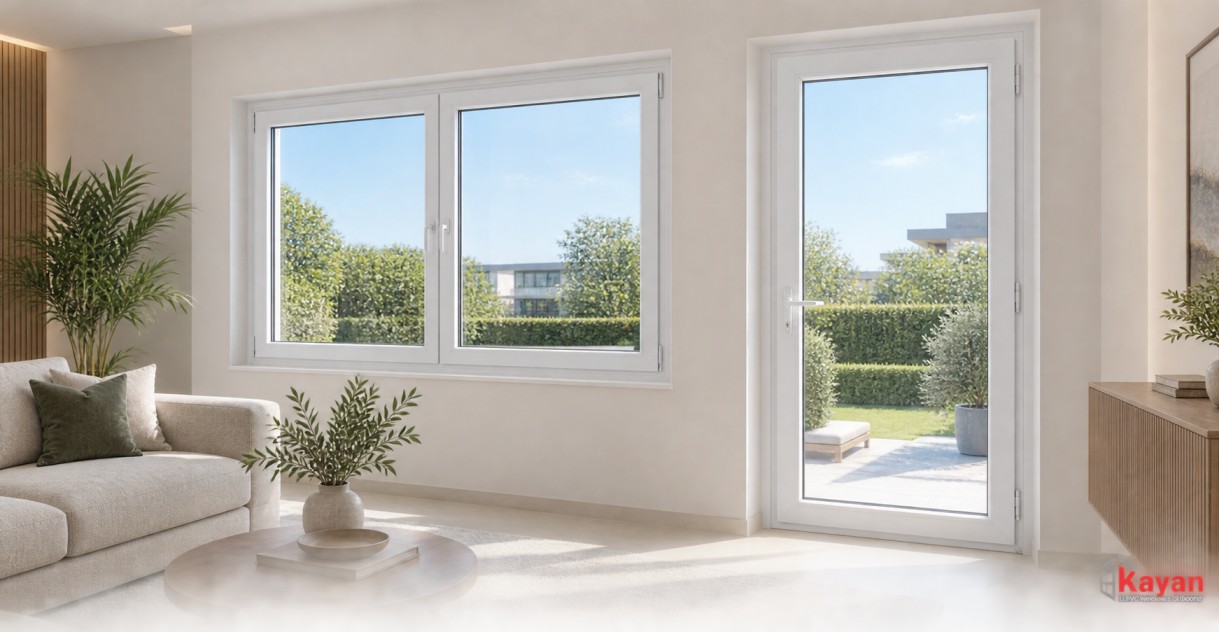
You're not just buying a white window frame — you're buying a complete system that includes:
- A multi-chamber plastic profile for effective thermal insulation.
- Double or triple glazing that reduces heat and sound transfer.
- Tight-sealing accessories and locks ensuring a complete seal.
- Perimeter insulation against air and water leaks around the frame.
In other words, you're paying for "daily comfort," not just a product that opens and closes.
Second: The Real Difference Shows After Use, Not Installation Day
On installation day, the difference between windows may seem minor. But after months of use, real differences become clear:
With traditional windows (iron or standard aluminum):
- Street noise is clearly audible indoors.
- Air leaks in winter and heat leaks in summer.
- Noticeably higher AC usage.
- Frequent maintenance and repainting needed.
With UPVC windows:
- Noticeable quiet indoors even on busy streets.
- Stable indoor temperature year-round.
- Strong sealing that blocks dust and insects.
- Smooth operation for years without warping.
Third: Does a Higher Price Mean Higher Cost?
Many customers focus only on the purchase price and ignore long-term operating costs. Poorly insulated windows consume more electricity due to increased AC use, and need maintenance or replacement within a few years. Well-insulated UPVC windows save on energy consumption, reduce noise and daily stress, and last much longer without issues. In other words, the higher upfront price can be far more economical in the long run.
Fourth: When Is Choosing UPVC a Smart Decision?
- Apartments facing busy or noisy streets.
- Very hot or very cold climate regions.
- Villas and upscale projects seeking a modern look and long-term durability.
- Spaces needing real quiet, like bedrooms and home offices.
Fifth: When Might You Not Need UPVC?
Professional transparency matters — a premium system may not be necessary if the location is very quiet, the use is temporary, or the budget is limited for a fast investment project. In this case, a simpler system with appropriate specifications may suffice.
Conclusion: The Real Value Isn't in the Price — It's in Daily Comfort
The right question isn't "how much does the window cost?" but "how much comfort will I get daily inside my home?" The real difference between systems shows in the level of quiet, temperature stability, and daily ease of use — factors hard to quantify but clearly felt after moving in.