Choosing glass and mirrors in interior design isn't just about aesthetic appeal — these elements can have a clear effect on the sense of space, lighting, and how elements are arranged within a room.
Glass can help separate spaces while maintaining visual connection between them, while mirrors can reflect light and add a sense of depth and openness.
With the wide variety of glass and mirror styles and types available, they can now be used in homes, villas, offices, and commercial spaces in different ways suited to the nature of each place.
In this guide, we cover the most important uses of glass and mirrors, and how to choose the right design to achieve the best result that combines aesthetic appeal with practical function.
Why Are Glass and Mirrors Important in Interior Design?
Using glass and mirrors has become an essential part of many modern interior designs, as they give the designer great flexibility in handling spaces.
Glass can be used as an element to separate rooms or different areas without creating fully closed barriers, allowing light to pass through and maintaining a sense of openness.
Mirrors, on the other hand, are used to add visual depth to a space, and can help reflect light and highlight certain architectural or decorative details.
In this way, glass and mirrors in interior design combine practical function with aesthetic impact.
How Can Glass Change the Look of a Space?
Glass stands out for its ability to create a visual connection between different parts of a space.
When used in partitions, doors, or certain interior applications, it allows spaces to be divided without making them feel closed off or cramped.
This makes it especially suitable for modern designs that rely on open spaces and natural lighting.
Different types of glass can also be chosen based on the level of transparency and privacy needed in each space.
Using Glass in Interior Design
Glass can be used in many applications within a home or project, and the choice depends on the nature of the space and the function required.
Glass Partitions
Glass partitions are one of the most popular applications of glass in interior design, as they can be used to divide spaces while maintaining lighting and visual connection.
They can be used between living rooms and hallways, in offices to divide workspaces, or in certain commercial spaces.
Clear glass or other types offering greater privacy can also be chosen depending on the nature of use.
Glass Doors
Glass doors can give a space a modern look, in addition to allowing light to pass between areas.
They're available in different designs that can suit entrances, interior spaces, offices, and commercial projects.
When choosing a door, the dimensions, opening method, glass type, and accessories used in installation should all be considered.
Glass in Bathrooms
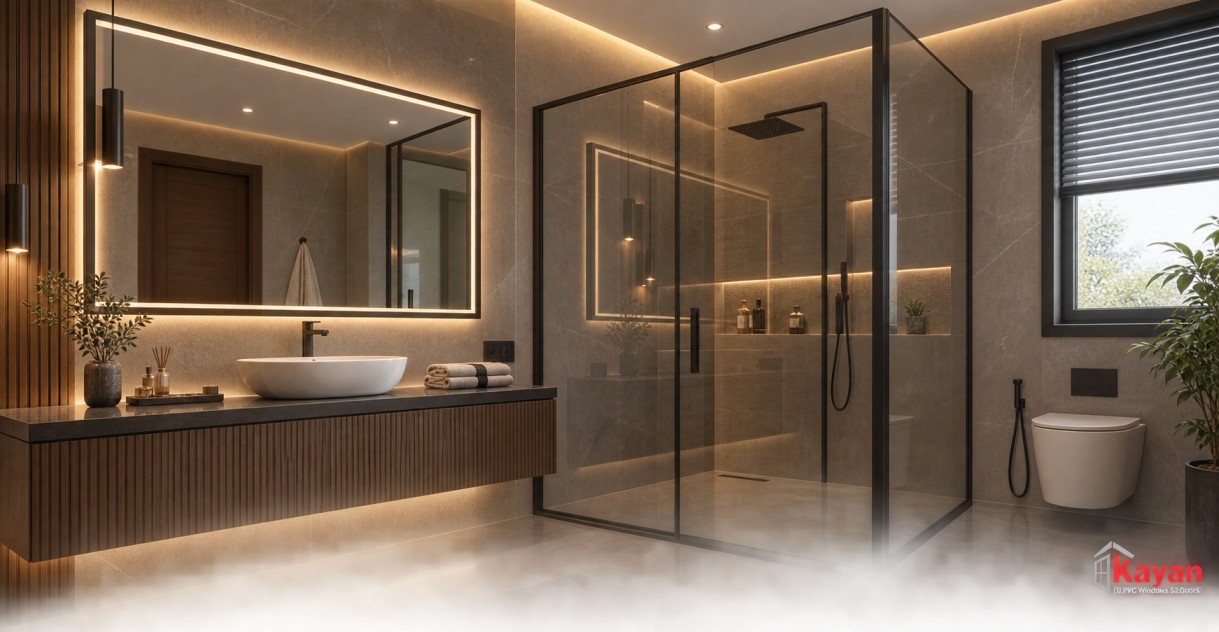
Glass is widely used in bathroom design, whether in shower cabins or glass partitions.
This use helps maintain an open look for the bathroom, and can give the space a cleaner, simpler feel.
Choosing the right design depends on the bathroom's size, the location of the bathing area, and the level of privacy required.
How Do Mirrors Add Openness to a Space?
Mirrors are elements that can have a clear visual impact on interior spaces.
When a mirror is placed in the right spot, it can reflect light and some of the design elements in front of it, adding a sense of depth and making the space appear more open.
This is why mirrors in interior design are especially used in entrances, living rooms, bedrooms, and bathrooms, as well as in many commercial applications.
However, the mirror's placement should be carefully considered so it reflects an appealing element or a suitable light source, rather than reflecting unwanted details.
Types of Mirrors Used in Interior Design
Mirrors come in a variety of designs and shapes, and the right type can be chosen based on the space and the purpose of use.
Decorative Mirrors
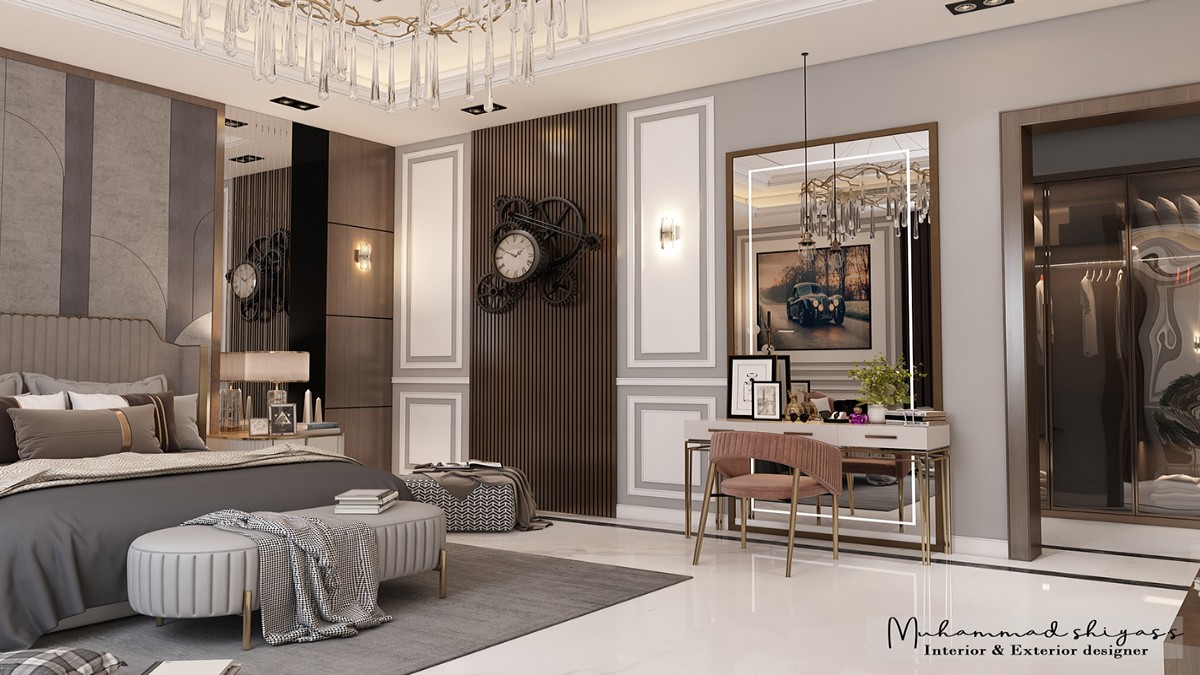
Decorative mirrors can be used as a key element in wall design, especially in entrances and living rooms.
A mirror can be part of the design itself, not just a functional element, by choosing a shape, size, and details that match the rest of the decor.
Large Mirrors
Large mirrors are used in spaces that need a greater sense of openness.
They can be suitable for entrances, bedrooms, and living rooms, and can be made in different sizes and designs depending on the wall space.
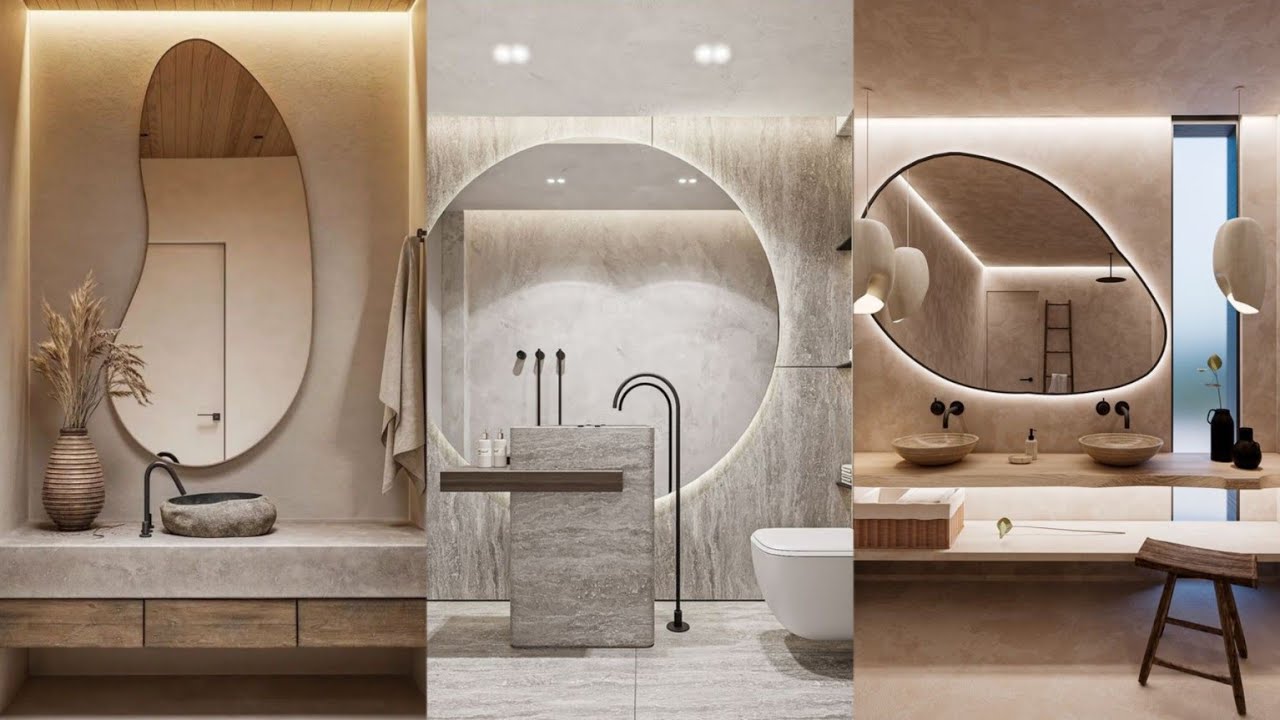
Bathroom Mirrors
Bathroom mirrors combine function and design, so their size and shape should be chosen to match the sink, bathroom unit, and other elements in the space.
They can also be combined with suitable lighting to achieve a result that's both practical and aesthetically pleasing.
How to Choose the Right Glass for Interior Design
Choosing glass isn't just about appearance — it should be tied to the space's final use.
Some applications may need glass that offers a certain degree of privacy, while others need the highest possible level of transparency and light retention.
The dimensions of the application, the installation method, and where the glass will be used should also be considered when determining the right specifications.
It's also important to choose the type of glass suited to the nature of use and consult specialists to determine the required technical specifications.
Clear Glass or Privacy Glass?
The choice here mainly depends on the nature of the space and the purpose of using the glass.
Clear Glass
Allows light to pass through and maintains visual connection between spaces, making it suitable for open designs and areas that don't need high privacy.
Using it in small spaces also helps maintain a sense of openness.
Frosted or Treated Glass
Types of glass that offer greater privacy can be used in places that need visual separation between spaces.
The choice between different types depends on the level of privacy required and the nature of the design.
Don't Focus on Looks and Forget Material Quality
A common mistake is focusing only on the final design, without paying attention to the quality of the glass, mirrors, and accessories used in the installation.
The quality of the material, finishing, and installation directly affects the final result and the product's lifespan.
Accessories suited to the nature of use should also be chosen, especially in applications exposed to moisture or frequent use.
Good design, therefore, needs to combine appearance, quality, and correct execution.
The Importance of Choosing the Right Size
Even the most beautiful glass or mirror design may not give the desired result if it doesn't fit the space's dimensions.
That's why measurements need to be taken accurately before manufacturing, with the walls, doors, windows, furniture, and other elements in the space taken into account.
In the case of mirrors, the spot the mirror will reflect should also be determined before installation, since its position greatly affects its visual impact.
How to Choose the Right Glass and Mirror Design
It's best for the design to be part of the space's overall identity.
If the interior design has a modern style, simple lines and clean details that suit the decor can be used.
If the space has a more luxurious or classic character, mirror and glass designs with details and finishes that match this style can be chosen instead.
The goal is for the glass elements and mirrors to look like an integrated part of the design, not separate additions to it.
Glass and Mirrors in Small Spaces
Glass and mirrors can be suitable solutions for small spaces when used thoughtfully.
Glass helps reduce the feeling of barriers between spaces, while mirrors can add visual depth and reflect light.
However, mirrors or glass shouldn't be overused just to visually increase space, as too many reflective elements can affect the design's balance.
It's best to choose specific, well-considered spots for each element.
Glass and Mirrors in Large Spaces
Large spaces offer greater flexibility in using glass and mirrors, whether in partitions, doors, walls, or decorative applications.
Glass can be used to maintain a connection between different areas, while mirrors can help highlight certain architectural details or visually distribute lighting.
But even in large spaces, balance between elements should be maintained, and mirrors or glass shouldn't be used randomly.
Ease of Cleaning and Maintenance Is an Important Factor
Before choosing any design, ease of cleaning and maintenance should be considered.
Glass and mirrors need regular cleaning to maintain their appearance, especially in places exposed to water, steam, or frequent touching.
Attention should also be paid to the accessories and fixing points, cleaning them in a suitable way to preserve the design's quality and appearance for as long as possible.
Mistakes to Avoid When Choosing Glass and Mirrors
There are some mistakes that can affect the final result, including:
- Choosing the design before studying the space.
- Placing a mirror where it reflects unsuitable elements.
- Choosing a size that doesn't fit the wall space.
- Focusing on appearance while neglecting material quality.
- Using glass without considering the required level of privacy.
- Not paying attention to the quality of accessories and fixtures.
- Relying on approximate measurements before manufacturing.
- Using too many mirrors without studying the overall design.
- Carrying out the work without specialized technicians.
Can Glass and Mirrors Be Made to Measure?
Spaces and interior designs vary from one project to another, so having glass and mirrors made to measure can be a suitable solution for making the best use of the space.
A site visit and taking actual measurements help determine the dimensions of the glass or mirror, the installation method, and the design best suited to the space.
Studying the space before installation also allows for choosing a solution that matches the existing use and decor.
How to Choose the Installation Company
When choosing a company to carry out glass and mirror work, don't let price be the only factor in your decision.
Pay attention to the company's experience, the quality of materials, the accuracy of measurements, the quality of finishing and installation, as well as their portfolio and after-installation services.
It's also a good idea to look at real projects the company has completed, especially ones similar in terms of use and design.
Glass and Mirrors from Kian Engineering Works
Kian Engineering Works offers a variety of solutions in glass and mirror work suited to the nature of each space and project's needs.
Choosing the right solution starts with studying the space, taking measurements, and determining the use, design, materials, and accessories needed, to reach a result that combines quality, aesthetic appeal, and practical function.
Whether you're looking for glass partitions, glass doors, decorative mirrors, or glass solutions for bathrooms and interior spaces, studying the space before installation helps achieve a more cohesive and suitable design.
Conclusion
The role of glass and mirrors isn't limited to adding an aesthetic touch to a space — they can also play a role in improving lighting, the sense of space, and organizing different areas.
Start by studying the space, then determine the required function, the type of glass or mirror, the size, design, and installation method, while paying attention to material quality and execution.
This way, you can achieve a design that combines elegance, practicality, and function, making glass and mirrors an integrated part of the space's identity.
Contact Kian Engineering Works for a consultation, site visit, and to choose the right glass and mirror solutions for your space and design.
Frequently Asked Questions
How can glass be used in interior design?
Glass can be used in partitions, doors, shower cabins, and other interior applications, helping divide spaces while maintaining lighting and visual connection between them.
Do mirrors make a space look bigger?
Mirrors can add a sense of depth and openness by reflecting light and certain elements of the space, especially when the mirror's size and location are chosen appropriately for the design.
What's the best place to put a mirror at home?
It depends on the nature of the room and the interior design, but mirrors can be used in entrances, living rooms, bedrooms, and bathrooms, taking into account what the mirror will reflect before installation.
Can glass and mirrors be made to measure?
Yes, many glass and mirror applications can be made according to the space's actual measurements, which helps achieve a design that's a better fit for the space.
How do I choose the right type of glass?
Choosing the type of glass depends on the nature of use, the required level of transparency or privacy, and the application's dimensions and installation method. It's best to determine the technical specifications after studying the space.
What's the most important thing to consider when choosing a glass and mirror company?
It's important to pay attention to material quality, measurement accuracy, accessory quality, finishing, and installation method, as well as the company's experience and portfolio.